




A Complete Guide to Oral Piercing Style, Safety, and Trends
Introduction to Lip and Tongue Jewellery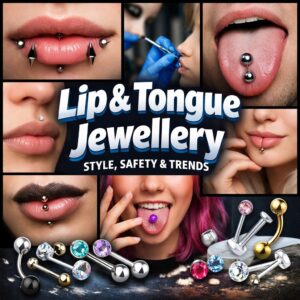
Lip and tongue jewellery has become an increasingly popular form of self-expression, blending fashion, identity, and personal aesthetics. Once associated mainly with alternative subcultures, oral piercings are now embraced across diverse age groups and style preferences.
Whether subtle and minimalist or bold and eye-catching, these accessories enable individuals to showcase their unique personality. Understanding the different types, materials, care requirements, and potential risks is essential before choosing this form of adornment.
Types of Lip Jewellery
Lip piercings can be placed in various positions around the mouth, each offering a distinct look.
Labret: Positioned below the lower lip in the centre, the labret is one of the most common lip piercings. It typically uses a flat-back stud or labret barbell for comfort against the gums.
Monroe: Inspired by Marilyn Monroe’s beauty mark, this piercing sits above the upper lip on one side and typically features a small stud.
Medusa (Philtrum): Located in the groove above the upper lip, the medusa piercing highlights facial symmetry and often uses a decorative stud.
Snake Bites: A pair of pier studs placed symmetrically on each side of the lower lip. This style is popular for those wanting a balanced, edgy aesthetic.
Vertical Labret: Unlike traditional labrets, this piercing passes vertically through the lip and is visible from both the top and bottom, usually adorned with curved barbells.
Each style offers different visual effects and healing considerations, so choosing the right placement should involve both aesthetic preference and professional advice.
Types of Tongue Jewellery
Tongue piercings are typically placed in the centre of the tongue, though variations exist.
Standard Tongue Piercing: The most common type, located centrally along the tongue. It usually features a straight barbell with decorative ends.
Venom Piercings: Two piercings placed side by side on the tongue, creating a symmetrical, striking appearance.
Snake Eyes: A horizontal piercing near the tip of the tongue. Although visually unique, many professional piercers discourage it due to the higher risks of dental and nerve damage.
Frenulum (Tongue Web) Piercing: Placed in the thin tissue under the tongue, this piercing is more discreet and often chosen for subtlety.
Tongue jewellery can dramatically change appearance when speaking or smiling, making it a popular option for those who want a piercing that can be easily shown or concealed.
Choosing the Right Materials
Material selection is crucial for both safety and comfort. High-quality jewellery reduces the risk of infection, irritation, and allergic reactions.
Surgical Steel: Widely used due to durability and affordability, though it may contain trace nickel that can irritate sensitive skin.
Titanium: Highly recommended for initial piercings because it is lightweight, hypoallergenic, and corrosion-resistant.
Bioplast or PTFE: Flexible plastics are often used for oral piercings to reduce friction against teeth and gums.
Gold (14k or higher): Safe for healed piercings when it is solid gold and not gold-plated, which can chip or wear away.
Using low-quality metals or coated jewellery can lead to complications, so professional piercers typically advise investing in implant-grade materials.
Healing Process and Aftercare
Healing times vary depending on the type of piercing and individual body response.
-
-
- Lip piercings: Generally, heal within 6–8 weeks.
- Tongue piercings: Often heal faster, typically within 4–6 weeks.
-
Proper aftercare is essential to avoid infection and ensure smooth healing:
-
-
- Rinse with alcohol-free saline solution or mouthwash after eating.
- Avoid touching or twisting jewellery unnecessarily.
- Refrain from smoking and alcohol during the early healing stages.
- Maintain good oral hygiene by brushing teeth gently twice daily.
- Avoid spicy or acidic foods for the first week.
-
Swelling, mild tenderness, and slight discharge are normal initially, but persistent pain, severe swelling, or unusual discharge should be evaluated by a professional.
Potential Risks and Considerations
While lip and tongue jewellery can be stylish, it is important to understand potential risks.
Dental Damage: Oral jewellery can chip teeth or wear down enamel if it repeatedly strikes the teeth or gums.
Gum Recession: Constant friction from jewellery can cause gum tissue to recede over time.
Infection: The mouth contains bacteria, making proper cleaning essential to prevent complications.
Speech Changes: Tongue piercings may temporarily affect speech until the wearer adjusts.
Choosing a reputable piercer, following hygiene instructions, and selecting appropriate jewellery sizes greatly reduce these risks.
Fashion and Cultural Significance
Body piercings have long held cultural meaning. In many ancient societies, oral piercings symbolised status, bravery, or spiritual beliefs. Today, lip and tongue jewellery is primarily a fashion statement, though it still carries elements of individuality and rebellion for some wearers.
Modern trends show a shift toward minimalism. Small studs, clear retainers, and subtle metallic finishes are increasingly popular, especially in professional environments where discretion matters. At the same time, bold statement pieces such as jewelled ends, spikes, and coloured barbells remain popular among those seeking dramatic visual impact.
Social media and celebrity influence continue to drive trends, making oral piercings more mainstream and widely accepted than ever before.
Tips for First-Time Wearers
For those considering their first lip or tongue piercing, preparation is key.
-
-
- Research professional studios with certified piercers and strong hygiene practices.
- Eat beforehand to prevent light-headedness.
- Choose simple starter jewellery to allow swelling and healing.
- Be patient—downsizing jewellery too early can irritate.
- Follow aftercare instructions exactly as given.
-
Consulting with a professional piercer allows individuals to select the most suitable placement, size, and style for their anatomy.
Maintenance and Long-Term Care
Even after healing, oral piercings require regular care to remain safe and comfortable.
-
-
- Clean jewellery periodically with saline or gentle soap.
- Remove and check jewellery for damage or buildup.
- Replace worn or scratched pieces promptly.
- Schedule dental checkups and inform your dentist about your piercing.
-
Consistent maintenance helps preserve both oral health and the appearance of the jewellery.
Conclusion to Lip and Tongue Jewellery
Lip and tongue jewellery offers a distinctive way to express personal style, blending fashion with individuality. With a wide variety of placements, designs, and materials available, there is an option to suit nearly every aesthetic preference. However, successful piercing experiences depend on informed decisions, proper aftercare, and high-quality jewellery choices. By understanding the styles, healing processes, and safety considerations, anyone interested in oral piercings can confidently explore this bold and creative form of self-adornment.
Lip and Tongue Jewellery FAQs
Pain varies from person to person, but most describe it as quick and manageable. Tongue piercings often feel like brief pressure, while lip piercings may cause a short sting followed by mild soreness.
2. How long do oral piercings take to heal?
Tongue piercings usually heal within 4–6 weeks, while lip piercings take around 6–8 weeks. Healing time depends on aftercare, overall health, and whether irritation occurs.
3. What jewellery material is safest for new piercings?
Implant-grade titanium is widely recommended because it is hypoallergenic, lightweight, and corrosion-resistant, making it ideal for sensitive tissue during healing.
4. Can I change jewellery right after getting pierced?
No. Jewellery should remain in place until the piercing is fully healed. Removing it too soon can cause irritation, infection, or closure of the piercing.
5. Will oral jewellery damage my teeth or gums?
It can if it repeatedly hits teeth or rubs against gums. Choosing properly sized jewellery and correct placement helps minimize this risk.
6. Is swelling normal after a tongue piercing?
Yes. Swelling typically peaks within 2–3 days and gradually subsides within about a week. Cold drinks and proper aftercare can help reduce discomfort.
7. Can I eat normally after getting an oral piercing?
For the first few days, soft foods are best. Avoid spicy, acidic, or very hot foods until swelling and tenderness decrease.
8. How should I clean my piercing and jewellery?
Rinse with alcohol-free mouthwash or sterile saline after eating, brush teeth gently twice daily, and clean jewellery periodically once healed.
9. Is discharge normal during healing?
A pale white or yellow discharge can be normal. Signs of infection include strong odour, severe redness, heat, throbbing pain, or green pus. Seek professional advice if these occur.
10. What should I do if swelling becomes severe?
Use cold compresses, drink cold fluids, and avoid irritating foods. If swelling becomes extreme or affects breathing, seek medical attention immediately.
11. Why does my jewellery feel too tight?
Swelling may cause tightness. Do not remove jewellery yourself—visit a professional piercer who can safely fit a longer bar if needed.
12. I accidentally bit my tongue jewellery—should I worry?
Occasional contact happens, but frequent biting can damage teeth or jewellery. Switching to a shorter barbell after healing usually prevents this.
13. The piercing hole looks larger than before—what does that mean?
Stretching can occur if jewellery is too heavy or pulled frequently. Downsizing or switching to lighter jewellery typically resolves the issue.
14. My gums feel sore near my lip piercing. Why?
The backing may be rubbing against gum tissue. A piercer can replace it with a flatter or smaller backing to reduce irritation.
15. The jewellery won’t unscrew—what should I do?
Threads can tighten from movement. Use clean gloves for grip or visit a piercer rather than forcing it, which could cause injury.
16. My piercing closed after removing jewellery briefly—is that normal?
Yes. Oral piercings can close quickly, especially within the first year. A piercer may be able to taper it open if done promptly.
17. I feel a bump forming near the piercing—what is it?
It may be irritation from friction, poor-quality jewellery, or incorrect aftercare. Switching to implant-grade jewellery and reviewing cleaning habits often helps.
18. What if I chip a tooth on my jewellery?
Remove the jewellery temporarily and see a dentist. Afterwards, consider shorter or softer jewellery to prevent future damage.
19. Can I hide a lip or tongue piercing if needed?
Yes. Clear retainers or small, subtle studs can make piercings less noticeable for work or formal situations.
20. Are oral piercings permanent?
They can be, but if jewellery is removed for extended periods, the hole may shrink or close, especially if the piercing is still relatively new.

Leave a Reply
You must be logged in to post a comment.