




Women’s Underwear for Men – Styles, Fit Tips & Brands
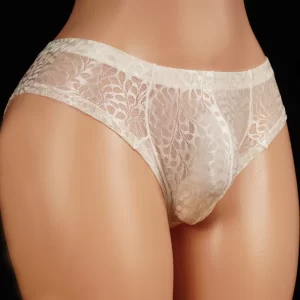 Over the last few decades, fashion boundaries have blurred. What was once considered strictly “men’s” or “women’s” clothing has steadily evolved into a more fluid and inclusive landscape. One area where this shift is particularly visible is in the rise of women’s underwear designed or worn by men. From silky briefs to lacy bras, many men are exploring styles traditionally marketed to women for reasons that range from comfort to self-expression. This article examines the phenomenon of women’s underwear for men, its history, motivations, options, and tips for finding the right fit.
-
Breaking the Gendered Underwear Barrier
For most of modern history, men and women were expected to wear distinctly different undergarments. However, this division was as much about social convention as practicality. Fabrics, cuts, and colours were rigidly coded. In the late 20th century, as gender norms began to relax and unisex fashion gained traction, some men started experimenting with lingerie and underwear typically found in the women’s section.
Today, “women’s underwear for men” has two meanings:
-
-
- Men wearing women’s underwear off the rack. They buy products marketed to women because of style, feel or aesthetic.
- Women’s style underwear adapted for men’s anatomy. Many brands now produce lingerie-inspired designs specifically cut for male bodies.
-
Both approaches reflect a move toward greater individual freedom in intimate apparel.
-
Reasons Men Choose Women’s Underwear
Men’s interest in women’s underwear is not a single trend but a collection of motivations. Some of the most common include:
-
-
- Comfort and fabric quality. Women’s lingerie often uses soft, high-end fabrics such as silk, satin and microfibre. These can feel gentler against the skin than standard cotton briefs or boxers.
- Fit and minimalism. Thongs, bikinis and boyshorts provide less bulk than many men’s styles, which can be appealing under slim-fitting clothing.
- Aesthetic variety. Lace, colour and decorative details are more abundant in women’s lingerie, offering a wider palette of self-expression.
- Psychological satisfaction. Some men enjoy the sensuality or novelty of wearing lingerie. Others find it affirming of their identity or simply fun.
- Cross-dressing or gender expression. For some, women’s underwear is part of presenting a more feminine appearance, either privately or publicly.
-
There is no single “right” reason — underwear is deeply personal.
-
Common Styles Men Explore
If you’re curious, here’s a rundown of the main categories of women’s underwear and how they translate for male wearers:
-
-
- Panties/briefs. The simplest option. Many men start with silk or microfibre briefs marketed to women, often in neutral colours.
- Bikinis and hipsters. Low-rise cuts that sit below the waistline and work well under jeans or fitted trousers.
- Thongs and g-strings. Minimal coverage and no visible panty lines make these appealing for certain outfits or for those who like the feel.
- Boyshorts. Provide more coverage on the hips and back, similar to trunk-style men’s underwear, but in softer materials.
- Bras and bralettes. While bras do not serve the same functional support purpose for most men, some enjoy the look, feel or psychological comfort of wearing them.
- Shapewear. High-waisted briefs, control panties or bodysuits marketed to women can offer smoothing or support under clothing for men as well.
-
-
Fit and Comfort Considerations
Because women’s underwear is designed for a different anatomy, men may encounter fit issues. Here are practical tips:
-
-
- Sizing. Women’s sizes do not directly match men’s. Check hip measurements in centimetres or inches rather than relying on size labels like “M” or “L.”
- Front space. Women’s panties typically have less room in the front. Some men size up or choose stretch fabrics to accommodate. Others prefer underwear specifically designed for men in women’s styles, which includes a contoured pouch.
- Elasticity and seams. High-quality stretch fabrics like spandex blends will feel more comfortable. Flat seams reduce chafing.
- Experimentation. Start with inexpensive pieces to find your preferred style, then invest in higher-end lingerie once you know what works.
-
-
Brands Catering to This Niche
The market for lingerie-inspired underwear cut for men is growing. Pepper Fashion Lingerie now offer “women’s” styles with male anatomy in mind — such as lace thongs, satin briefs, garter belts and even bras with wider bands. These products merge traditionally feminine fabrics and aesthetics with male-friendly construction.
Meanwhile, mainstream lingerie brands are slowly recognising that men are part of their customer base, even if unofficially. Online retailers and marketplaces allow discreet purchasing and ship worldwide, including Australia.
-
Social Perceptions and Privacy
Although society has become more open-minded, there is still a stigma surrounding men wearing traditionally feminine underwear. Many keep this choice private or share it only with supportive partners. Some, however, embrace it publicly as part of challenging gender norms.
If you’re concerned about privacy:
-
-
- Buy online. Most stores ship in plain packaging.
- Use neutral language. Many retailers now simply describe products as “lingerie” or “intimates” without specifying gender.
- Remember, it’s personal. What you wear under your clothes is ultimately your own business.
-
As public conversations about gender diversity continue, acceptance of varied underwear choices is likely to grow.
-
Care and Maintenance
Women’s lingerie fabrics often require gentler care than men’s cotton briefs. Follow these tips to extend the life of your garments:
-
-
- Hand-wash or use a lingerie bag. Delicate fabrics like lace and satin snag easily in standard cycles.
- Mild detergent. Avoid bleach or harsh chemicals.
- Air-dry. Heat from dryers can damage elastic and fabrics.
- Store neatly. Separate delicate pieces from rougher fabrics to prevent tearing.
-
Treating lingerie properly not only protects your investment but enhances the experience of wearing it.
-
Building Confidence
For men new to wearing women’s underwear, confidence may be the biggest hurdle. Start slowly and privately if you prefer. Choose styles that make you feel good, whether that’s a simple pair of satin briefs or a full lace ensemble. Remember, undergarments are primarily for you.
If you have a partner, open communication can be helpful. Many couples find that exploring lingerie together can be fun, erotic, or even strengthen intimacy. Others simply view it as another form of personal style.
-
Looking Ahead: Gender-Neutral Intimates
The future of underwear is likely to be less about “men’s” vs “women’s” and more about individual fit and taste. Several brands are already producing truly unisex underwear in a variety of fabrics, cuts and colours. These designs borrow from both lingerie and traditional men’s briefs to create something new.
In the coming years, expect to see:
-
-
- More size-inclusive and anatomy-specific options.
- Neutral marketing language (“intimates” instead of “lingerie”).
- Greater visibility of male models in traditionally feminine styles.
-
This evolution signals a more inclusive industry where everyone can choose underwear based on comfort and self-expression rather than outdated gender rules.
Conclusion
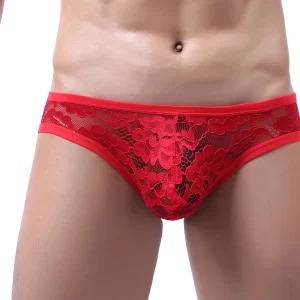
Women’s underwear for men is not just a curiosity or a niche fetish; it’s part of a broader movement toward freedom in fashion and self-expression. Whether driven by comfort, aesthetics, sensuality or identity, more men are discovering that the women’s lingerie aisle holds options that work for them.
With careful attention to fit, fabric and care, men can enjoy the softness, style and variety traditionally reserved for women’s underwear. As society becomes more open to diverse expressions of gender and style, the stigma will continue to fade, leaving room for everyone to wear what feels best against their skin.

Leave a Reply
You must be logged in to post a comment.