



The Art of Transformation – Male-to-Female Crossdressing (MTF)

Male-to-Female Crossdressing is more than just a change of clothing; it’s a powerful form of self-expression, identity exploration, and personal empowerment. For many who identify as male, the journey of presenting as female, whether occasionally, frequently, or full-time, is a deeply personal and transformative experience. The Art of Transformation celebrates this journey, offering insight, guidance, and support to those exploring male-to-female (MTF) crossdressing.
This guide is designed to help you feel confident, authentic, and empowered in your presentation. Whether you’re just beginning to explore your feminine side or refining your transformation, you’ll find practical advice on everything from wardrobe and makeup to body language, voice training, and emotional well-being. Crossdressing is an art, and like any art form, it flourishes with creativity, confidence, and self-love.
Step into your transformation; your journey begins here.
The History of Men in Crossdressing
Crossdressing has a long and varied history across cultures. In ancient civilisations, gender fluidity in clothing was more common than modern society often acknowledges. The Greeks and Romans had theatrical traditions where male actors played female roles, as women were not allowed to perform on stage. Similarly, in Japan, the Kabuki theatre featured male performers, known as “onnagata,” who specialised in portraying female characters with grace and authenticity.
In more recent history, the 20th and 21st centuries saw crossdressing emerge in different contexts, from underground drag culture to mainstream media. Figures like RuPaul, Eddie Izzard, and David Bowie have helped dismantle rigid gender expectations, showing that clothing has no inherent gender and that self-expression should be celebrated.
The Art of Transformation
Crossdressing, when approached as an art form, is an intricate process that involves various elements such as makeup, fashion styling, body shaping, and even voice modulation. Here are some of the key aspects involved in a successful transformation:
-
Fashion and Styling
The right outfit plays a crucial role in achieving a well-balanced and polished feminine look. Crossdressers often study different styles to find what suits their body type, whether it’s casual chic, business elegance, or glamorous evening wear. Choosing flattering cuts, colours, and fabrics helps create a cohesive and convincing aesthetic.
-
Makeup Mastery
Makeup is a fundamental tool in the transformation process. From contouring to soften masculine features to choosing the right lipstick shade that complements skin tone, mastering makeup techniques is an essential skill. A well-applied makeup look enhances confidence and contributes significantly to the overall transformation.
-
Wigs and Hairstyling
Hair is a defining feature in creating a feminine persona. Many crossdressers invest in high-quality wigs that suit their face shape and complement their style. Some even experiment with different hairstyles, using tools like curlers and straighteners to achieve their desired look.
-
Body Shaping and Posture
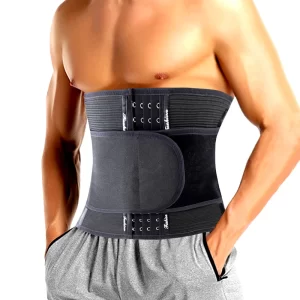
Shapewear, such as waist cinchers, hip pads, and breast forms, helps create a more feminine silhouette. Additionally, adjusting posture, gait, and hand gestures can make a significant difference in how one presents oneself. Learning to walk gracefully in heels or adopting softer movements can enhance the illusion of femininity.
-
Voice and Mannerisms
A crucial yet often overlooked aspect of transformation is the voice. Many crossdressers train their voices to achieve a softer, higher-pitched tone that aligns with their feminine appearance. Additionally, mannerisms such as hand gestures, posture, and expressions contribute to a more convincing transformation.
The Psychological Impact of Crossdressing
Beyond the external transformation, crossdressing can have profound psychological effects. For many men, dressing in women’s clothing offers a sense of liberation, empowerment, and self-discovery. It allows them to embrace aspects of their personality that societal norms may discourage.
Some crossdressers find solace in their alternate personas, using them as a means of escaping stress or expressing emotions they struggle to convey in their everyday lives. Others view crossdressing as an artistic endeavour, relishing in the creativity of curating different looks and personas.
Overcoming Stigma and Misconceptions
Despite the growing acceptance of gender fluidity, crossdressing still faces societal stigmas. Many people mistakenly associate it with sexual orientation or fetishism, when crossdressing is a broad spectrum of experiences that differ from person to person.
To challenge these misconceptions, education and visibility are key. The more society sees diverse representations of crossdressing, the easier it becomes to break down stereotypes. Celebrating crossdressers in mainstream media, fostering open discussions, and supporting individuals in their journey all contribute to a more inclusive world.
The Influence of Media and Pop Culture
The rise of social media and digital platforms has significantly impacted the crossdressing community. YouTube tutorials, Instagram transformations, and TikTok videos showcase the artistic and expressive side of crossdressing. Many influencers provide tips, share personal experiences, and create supportive online spaces for those exploring their gender expression.
Television and film have also played a role in normalising crossdressing. Shows like “RuPaul’s Drag Race” and movies like “To Wong Foo, Thanks for Everything! Julie Newmar” and “The Adventures of Priscilla, Queen of the Desert” have helped shine a light on the artistry and joy of gender transformation.
Embracing Individuality
Crossdressing is, at its core, about self-expression. Whether someone crossdresses occasionally for fun, performs as a drag artist, or incorporates elements of femininity into their daily life, each journey is unique. What matters most is the freedom to explore one’s identity without fear or judgment.
For those who are curious about crossdressing but unsure where to start, small steps such as experimenting with makeup, wearing a simple accessory, or joining supportive online communities can be helpful. The journey of transformation is deeply personal, and there is no right or wrong way to approach it.
Conclusion
The art of transformation through crossdressing is a testament to human creativity, resilience, and the ever-evolving nature of self-expression. For men who engage in this practice, it is an opportunity to embrace a different side of themselves, celebrate individuality, and push past societal norms.
As the world becomes more accepting of diverse identities, the conversation around crossdressing continues to evolve. By embracing and celebrating gender expression in all its forms, we move towards a more inclusive and understanding society—one where everyone has the freedom to present themselves authentically and beautifully.

Leave a Reply
You must be logged in to post a comment.