


Contents
- 1 How to Buy Plus-Size Dress Apparel in Australia
- 1.1 A Practical and Empowering Guide to Buying a Plus-Size Dress
- 1.2 Buy From Brands That Truly Support Size Inclusivity
- 1.3 Final Thoughts
- 1.4 Frequently Asked Question
- 1.5 Ferrari Red: How Emilia Romagna GP Keeps the Color in Vogue
- 1.6 Things Every Woman Should Know About Her Lingerie
- 1.7 Different Types of Leather and Their Use in Clothing
How to Buy Plus-Size Dress Apparel in Australia
A Practical and Empowering Guide to Buying a Plus-Size Dress
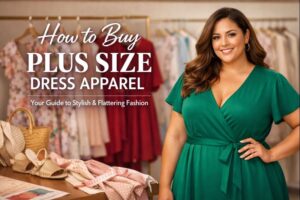 Buying plus-size dress apparel should be an enjoyable and confidence-boosting experience, not a frustrating one. Today’s fashion industry offers more stylish, flattering, and size-inclusive options than ever before, yet many shoppers still feel overwhelmed when choosing dresses that truly fit and flatter their bodies.
This guide will walk you through everything you need to know about buying plus-size dresses, from understanding sizing and fabrics to choosing cuts that celebrate your shape. Whether you’re shopping for everyday wear, work, or special occasions, the right dress is out there for you.
- Understand That Plus-Size Is Not One Shape
One of the biggest misconceptions about plus-size fashion is that all bodies are the same. Plus-size bodies vary just as much as straight-size ones. You might carry weight in your bust, hips, stomach, arms, or thighs, or evenly across your body.
Before shopping, take time to understand your proportions:
-
-
- Apple shape: Fuller midsection, slimmer legs
- Pear shape: Fuller hips and thighs, smaller bust
- Hourglass: Balanced bust and hips with a defined waist
- Rectangle: Bust, waist, and hips similar in width
-
Knowing your shape helps you choose dress styles that highlight your best features and feel comfortable all day long.
- Always Check the Size Chart (Not Just the Label)
Plus-size sizing is not universal. A size 20 in one brand may fit very differently in another. This makes checking the brand’s size chart essential, especially when shopping online.
Take accurate measurements of:
-
-
- Bust
- Waist
- Hips
- Upper arms (for sleeved dresses)
- Length (especially for maxi dresses)
-
Use a soft tape measure and don’t pull too tight. If you’re between sizes, consider sizing up and tailoring if needed; it’s easier to take fabric in than let it out.
- Choose Fabrics That Work with Your Body
Fabric plays a huge role in how a dress fits and feels. Some materials skim beautifully over curves, while others can cling or feel restrictive.
Great fabric choices for plus-size dresses include:
-
-
- Jersey and stretch knits
- Cotton blends with elastane
- Viscose or rayon
- Soft crepe
- Chiffon with lining
-
Be cautious with stiff, non-stretch fabrics unless the dress is specifically designed for curves. Look for dresses with stretch panels, elastic waists, or structured seams for better comfort and shape.
- Look for Flattering Dress Cuts
Certain dress styles tend to work especially well for plus-size figures, though personal comfort should always come first.
Popular and flattering options include:
-
-
- Wrap dresses: Adjustable and waist-defining
- A-line dresses: Balanced and forgiving on the hips and tummy
- Empire waist dresses: Highlight the bust and flow over the midsection
- Fit-and-flare dresses: Feminine and curve-enhancing
- Shirt dresses with belts: Structured yet versatile
-
Avoid assuming you must hide your body. The right cut enhances your shape rather than disguising it.
- Pay Attention to Necklines and Sleeves
Necklines can dramatically change the look and feel of a dress. V-necks, scoop necks, and wrap styles tend to elongate the body and draw attention upward.
Sleeves are another important consideration. Many plus-size shoppers appreciate:
-
-
- Elbow-length or three-quarter sleeves
- Flutter or bell sleeves
- Sheer or lace sleeves for coverage without bulk
-
Choose what makes you feel confident, not what fashion “rules” dictate.
- Consider the Occasion and Lifestyle
A dress should suit not just your body, but your life. Before buying, think about when and where you’ll wear it.
Ask yourself:
-
-
- Is this for work, casual wear, or an event?
- Will I need to sit, walk, or stand for long periods?
- Is the fabric breathable for Australian weather?
- Can it be dressed up or down?
-
Versatile dresses that transition from day to night offer excellent value and reduce wardrobe stress.
- Read Reviews and Look at Real Photos
When shopping online, customer reviews are invaluable. Look for feedback from people with similar body types and height to yours. Pay attention to comments about:
-
-
- Fit and sizing accuracy
- Fabric quality
- Stretch and comfort
- Length and sleeve fit
-
Photos from real customers often reveal how a dress truly looks beyond polished studio images.
- Don’t Be Afraid of Colour and Prints
Plus-size fashion is no longer limited to black. Bold colours, florals, stripes, and prints can be incredibly flattering when chosen thoughtfully.
Vertical patterns, strategic colour blocking, and well-placed prints can enhance proportions. Ultimately, wear what brings you joy; confidence is always the most flattering accessory.
- Know When Tailoring Is Worth It
If you find a dress you love but it’s not quite perfect, minor tailoring can make a world of difference. Adjusting the hem, waist, or straps can turn a good dress into a great one.
Think of tailoring as an investment in how you feel when you wear your clothes.
-
Buy From Brands That Truly Support Size Inclusivity
Support retailers that design specifically for plus-size bodies rather than simply scaling up smaller patterns. Inclusive brands focus on fit, comfort, and style, and it shows.
Look for brands that:
-
-
- Offer extended size ranges
- Use plus-size models
- Provide detailed fit information
- Value customer feedback
-
Final Thoughts
Buying plus-size dress apparel should be empowering, expressive, and fun. By understanding your body, choosing the right fabrics and cuts, and shopping with intention, you can build a wardrobe that celebrates your curves and suits your lifestyle.
Fashion is not about fitting into a size; it’s about finding clothes that fit you.
Frequently Asked Question
In Australia, plus size typically starts at AU 16 or AU 18, depending on the retailer. Some brands begin their curve range at AU 14, while others start at AU 18. Always check the individual brand’s size chart rather than assuming your usual size will fit the same across stores.
No, there is no universal sizing standard across Australian fashion brands. An AU 18 in one retailer may fit like an AU 16 or AU 20 in another. Always compare your bust, waist and hip measurements to the brand’s size guide before purchasing.
Use a soft measuring tape and measure:
- Bust: Around the fullest part of your chest
- Waist: At the narrowest part of your torso
- Hips: Around the fullest part of your hips and bottom
Measure while wearing light clothing or fitted underwear for accuracy.
Some do, and some don’t. Specialist curve brands design with fuller busts, wider hips, and different body proportions in mind. Mainstream brands sometimes “scale up” straight sizes, which can affect sleeve width, waist placement and bust fit.
Many Australian shoppers look to retailers like:
- City Chic
- Taking Shape
- You + All
- Forever New Curve
- ASOS Curve (online)
Each brand has slightly different cuts, so once you find one that fits well, it’s worth sticking with it.
Stick to your measurements, not the number. If you’re between sizes:
- Choose the larger size for structured fabrics.
- Choose the smaller size if the fabric has good stretch.
Check return policies; most Australian retailers offer straightforward returns, especially online.
Because Australia has varied climates:
For warmer weather (QLD, NT, northern WA):
- Breathable cotton blends
- Linen blends
- Lightweight viscose
For cooler climates (VIC, TAS, southern NSW):
- Ponte
- Heavier jersey
- Structured crepe
Avoid overly synthetic fabrics in high humidity unless they’re breathable blends.
For Australian workplaces, smart-casual and corporate environments are common. Look for:
- Knee or midi-length styles
- Structured shirt dresses
- Wrap dresses
- Dark neutrals or subtle prints
Ensure straps are bra-friendly and fabrics aren’t too thin in bright office lighting.
For weddings (especially outdoor or summer events):
- Lightweight fabrics
- Lined dresses
- Good airflow
- Adjustable straps
Check the dress code — “cocktail” and “garden party” are common in Australia.
Not always. Australian sizing generally aligns with UK sizing. If buying from US brands, you may need to convert:
- AU 18 ≈ US 14
- AU 20 ≈ US 16
Always double-check conversion charts when shopping internationally.
Before buying:
- Check the brand’s Australian size guide.
- Read customer reviews (especially about fabric stretch).
- Confirm shipping times and return costs.
- Look for “curve fit” or “plus-specific” design notes.
Australian Consumer Law provides strong protection for faulty items, but change-of-mind returns depend on store policy.
Australian shoppers often gravitate towards:
- Wrap dresses
- Maxi dresses
- Tiered midi dresses
- Fit-and-flare styles
- Shirt dresses
Comfort and versatility tend to be prioritised over ultra-trend pieces.
Choose thicker fabrics, avoid ultra-thin jersey, and consider a smoothing slip. Breathable fabrics with structure hold their shape better in heat.
Yes. Simple alterations like hemming or adjusting straps are affordable at local alteration services and can make off-the-rack dresses look custom-fitted.
Relying on the size number instead of measurements. Because Australian sizing varies so much between retailers, your tape measure is more reliable than the tag.

Leave a Reply
You must be logged in to post a comment.