




Contents
- 1 9 Common Problems Crossdressers Face and How Society Can Help
- 1.0.1 Social Stigma and Judgment
- 1.0.2 Fear of Rejection from Loved Ones
- 1.0.3 Internal Conflict and Shame
- 1.0.4 Safety Concerns
- 1.0.5 Lack of Support Resources
- 1.0.6 Pressure to Conform to Gender Rules
- 1.0.7 Media Misrepresentation for Crossdressers
- 1.0.8 Legal and Institutional Barriers for Crossdressers
- 1.0.9 Financial Strain for Crossdressers
- 1.1 In Conclusion, Crossdressing Is About Expression, Not Harm
- 1.2 Want to support the crossdressing community?
- 1.3 Men's Sexy Lingerie and Sexy Underwear
- 1.4 Women’s Underwear for Men – Styles, Fit Tips & Brands
- 1.5 Revolutionizing Fashion with Men’s Lingerie
9 Common Problems Crossdressers Face and How Society Can Help
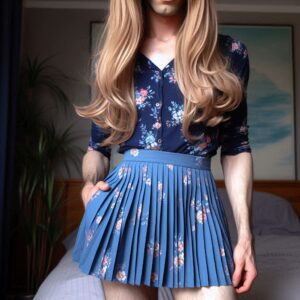 Crossdressing—wearing clothes traditionally associated with a different gender—is a form of self-expression, exploration, and identity for many people. But despite being a personal and often empowering experience, crossdressers face a range of challenges in their daily lives.
From misunderstanding and stigma to safety concerns and emotional conflict, here are some of the most common problems crossdressers encounter when crossdressing.
-
Social Stigma and Judgment
Let’s start with the obvious one: society doesn’t always understand crossdressing.
Despite progress in LGBTQ+ rights, crossdressers often face ridicule or rejection. Many people assume crossdressers are doing it for sexual reasons or confuse them with being transgender, when crossdressing can simply be about comfort, creativity, or self-expression.
This misunderstanding can lead to hurtful stereotypes, making crossdressers feel marginalised even within queer or gender-diverse communities.
-
Fear of Rejection from Loved Ones
Coming out as a crossdresser can be incredibly hard. There’s often a deep fear of being rejected by family, friends, or partners.
Even if someone accepts your identity, they might not fully understand it. Some relationships suffer because of this gap in understanding. As a result, many crossdressers keep this part of their lives secret, which can cause isolation and emotional strain.
-
Internal Conflict and Shame
A lot of crossdressers start young—sometimes before they even understand what gender expression means. Growing up in a world that teaches strict gender roles can cause feelings of guilt and shame.
It’s common for people to go through a cycle of purging—throwing away clothes and accessories to “quit”—only to return later. This back-and-forth reflects a deeper emotional struggle: trying to reconcile identity with societal expectations.
-
Safety Concerns
This is a big one. Many crossdressers don’t feel safe expressing themselves in public.
Unfortunately, crossdressers are often targets of verbal harassment, physical assault, or even hate crimes, particularly in more conservative or less accepting areas. The fear of being confronted—or worse, harmed—forces many to stay in the closet or restrict their expression to private spaces.
Even online, crossdressers face bullying, trolling, or being outed without consent. The internet offers community, yes—but it can also be a dangerous place.
-
Lack of Support Resources
While resources for transgender individuals are (thankfully) increasing, crossdressers often fall through the cracks.
There aren’t many groups or services specifically for people who crossdress. This can make it hard to find the right kind of mental health support, fashion advice, or safe community spaces. Even therapists might not fully understand crossdressing unless they’re specially trained in gender diversity.
This lack of support can leave people feeling misunderstood, alone, or invalidated.
-
Pressure to Conform to Gender Rules
In everyday life—whether at work, school, or in public—there’s pressure to look and behave in gender-normative ways.
Crossdressers often live double lives, presenting one way in public and another in private. This constant switching can be exhausting, emotionally and mentally. For those in relationships, there’s added stress: how and when do you reveal this part of yourself to your partner?
And for those with children, there’s the added worry of how crossdressing might impact their kids’ perception or social acceptance.
-
Media Misrepresentation for Crossdressers
Let’s be honest—Hollywood hasn’t done crossdressers many favours.
Too often, crossdressers in movies and TV are portrayed as jokes, creeps, or tricksters. Rarely are they shown as real, complex people. These portrayals not only mislead the public but also deny crossdressers authentic representation.
Positive, respectful media portrayals matter. They help build empathy, understanding, and a sense of community.
-
Legal and Institutional Barriers for Crossdressers
In some countries and regions, crossdressing is still criminalised or socially penalised. Even where it’s not illegal, laws may be vague or outdated, making it hard for people to know what rights they actually have.
Crossdressers might also run into problems if their appearance doesn’t match their legal documents—especially in situations requiring ID, like travel or job applications.
-
Financial Strain for Crossdressers
Let’s not forget the practical side: crossdressing can be expensive.
Buying clothing, wigs, makeup, shoes, and accessories adds up—especially if someone is building a full wardrobe or trying to perfect a look. Not everyone feels comfortable shopping openly, either, which can limit access to quality or affordable options.
In some cases, crossdressers also face employment discrimination, which can create long-term economic challenges.
In Conclusion, Crossdressing Is About Expression, Not Harm
Crossdressers face a complex blend of emotional, social, and practical challenges. The root of most of these problems? A society that still struggles to accept gender diversity.
But things are changing. Slowly but surely, there’s more conversation, more support, and more visibility. And with more understanding, we can make it safer and easier for crossdressers to live authentically—without fear, shame, or judgment.
At its core, crossdressing is about expression. It’s a deeply personal choice that should be met with curiosity, not condemnation.
Want to support the crossdressing community?
-
-
- Educate yourself and others about gender diversity.
- Challenge stereotypes when you see them in the media or in conversation.
- Be an ally—whether through listening, speaking up, or creating safe spaces.
-
Everyone deserves the freedom to express themselves.

Leave a Reply
You must be logged in to post a comment.